The drink at the end of the day rarely announces itself as a habit. It arrives as a reward. You get through the afternoon, the laptop closes or the children finally go down, and the glass is in your hand before you have consciously decided anything. That is what makes a daily drinking habit so stubborn: it is less about the alcohol than about the hour.
Which is good news, in a way. Habits live in sequences — cue, action, reward — and sequences can be rebuilt. What follows is an evening routine you can run for a fortnight and then judge for yourself.
The evening is where the habit lives
Most people trying to cut down attack the whole day at once. They wake up determined, grit their teeth through the afternoon, then fold at six o'clock because nothing has replaced the thing they took away.
Willpower is a poor substitute for structure. If the only difference between today and yesterday is that today you are arguing with yourself, you will lose eventually. The aim is to make the evening different in shape, not just in content: different room, different drink, different hands, different ending.
Before you start: two things to sort out
Pick a start date and tell one person. A date in the next few days, not "next month". Choose someone who will ask you how it is going without turning it into a lecture — a friend, a partner, a colleague who is doing something similar.
Decide what is leaving the house. If there is a bottle in the cupboard you are relying on not drinking, you are relying on willpower again. Some people can keep alcohol in for guests without much trouble; if you cannot, that is useful information rather than a character flaw.
- Clear your usual drinking spot of bottles, glasses and openers.
- Buy the replacements in advance — more than you think you need.
- Note your usual start time. That is the moment you are planning for.
The six-step evening routine
Run these in order. The point is that by the time six o'clock arrives, the evening has already been decided without you.
1. Close the shop at a fixed time
Choose a time and treat it as a hard boundary rather than an aim. A decision made at three in the afternoon is far easier to keep than one made at five past six with the fridge door open. Say it out loud if that helps: the kitchen is closed.
2. Give your hands something to hold
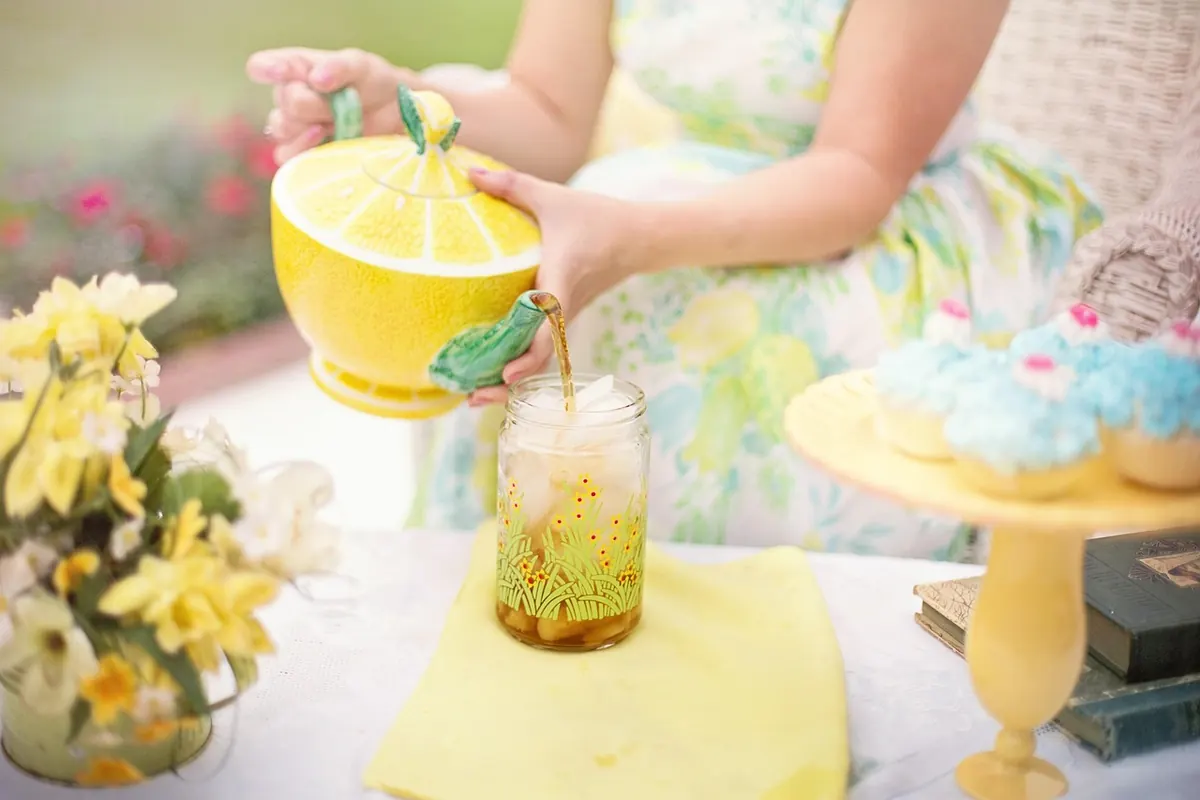
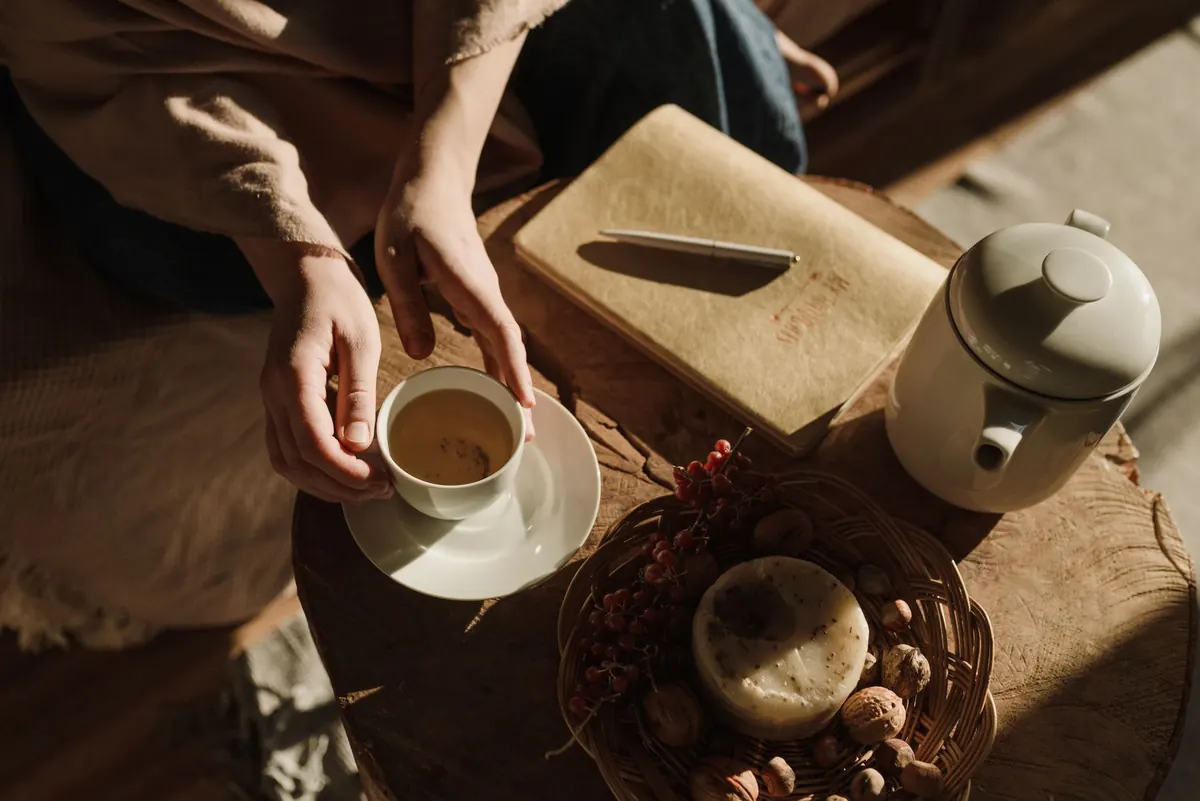
Pouring, the cold glass, the first sip: a large part of what you are craving is the ritual, not the ethanol. So replace the ritual properly. Sparkling water with lime and ice in the good glass. A decent alcohol-free beer. Ginger beer, tonic, a proper cup of tea made slowly. Drink it as though it were the real thing, not apologetically from a mug.
3. Change the room
If you always drink in the kitchen while cooking, move. If the sofa is your cue, do not sit on it at six o'clock — go into the garden, take the dog round the block, walk to the shop for milk. Cravings behave like waves: they rise, plateau and fall. Twenty minutes of doing something else is usually most of the job.
4. Add something physical
A brisk walk, a hot shower, ten minutes of stretching, some weeding. Anything that changes your breathing, heart rate or body temperature gives you something to notice besides the urge. Keep it short and repeatable. A routine you can manage half-heartedly on a wet Tuesday is worth more than a perfect one you skip.
5. Eat properly, earlier
An empty stomach and low blood sugar make the first drink feel like medicine. Have a real meal — protein, fat, something you actually enjoy — at a regular time, and do not let it slide to nine o'clock. Keep a decent snack within reach for the danger window.
6. Build an ending you like
Finish the evening on purpose. A fixed close might be tea and twenty pages of a book, a warm shower, a few lines in a notebook, lights out at a sensible hour with your phone charging in another room. Sleep matters more than people expect: a poor night makes tomorrow's evening harder, and many people find their sleep improves noticeably within the first week or two of drinking less.
When the routine slips
It will slip. A work dinner, an argument, a birthday. Two things matter when it does.
- Do not turn one drink into a lost week. The habit you are breaking is the daily one. A single evening does not undo a fortnight of work.
- Look for the cue you missed. Write down what happened in the hour beforehand — a deadline, a row, boredom, a phone call. Patterns show up quickly once you start looking.
Keep the routine running even on the nights you drink. The structure is what you are building; the alcohol is what you are subtracting. Letting both go because of one wobble is the most common way these plans fall apart.
If you are drinking heavily, get help first
If you drink every day and in large amounts, and especially if you have had shaky hands, sweats, nausea or morning anxiety when you have gone without, do not stop abruptly on your own. Alcohol withdrawal can be physically dangerous. Speak to your GP or a local alcohol service, who can advise on cutting down safely and arrange support. This is general advice, not medical advice, and it is worth acting on before anything else here.
Your first seven evenings
Keep the first week plain. Same start time, same replacement drink, same short walk, same meal time, same lights-out. Do not add gym memberships or new hobbies yet; the only goal is to get from six o'clock to bedtime without the usual drink, seven nights running.
Each night, score the evening out of ten for how it went — not for whether you drank. Then, after a fortnight, keep the steps that earned their place and drop the ones you quietly resent. What is left is a routine that belongs to you, and an evening that no longer runs on autopilot.
Photo: Arina Krasnikova / Pexels